
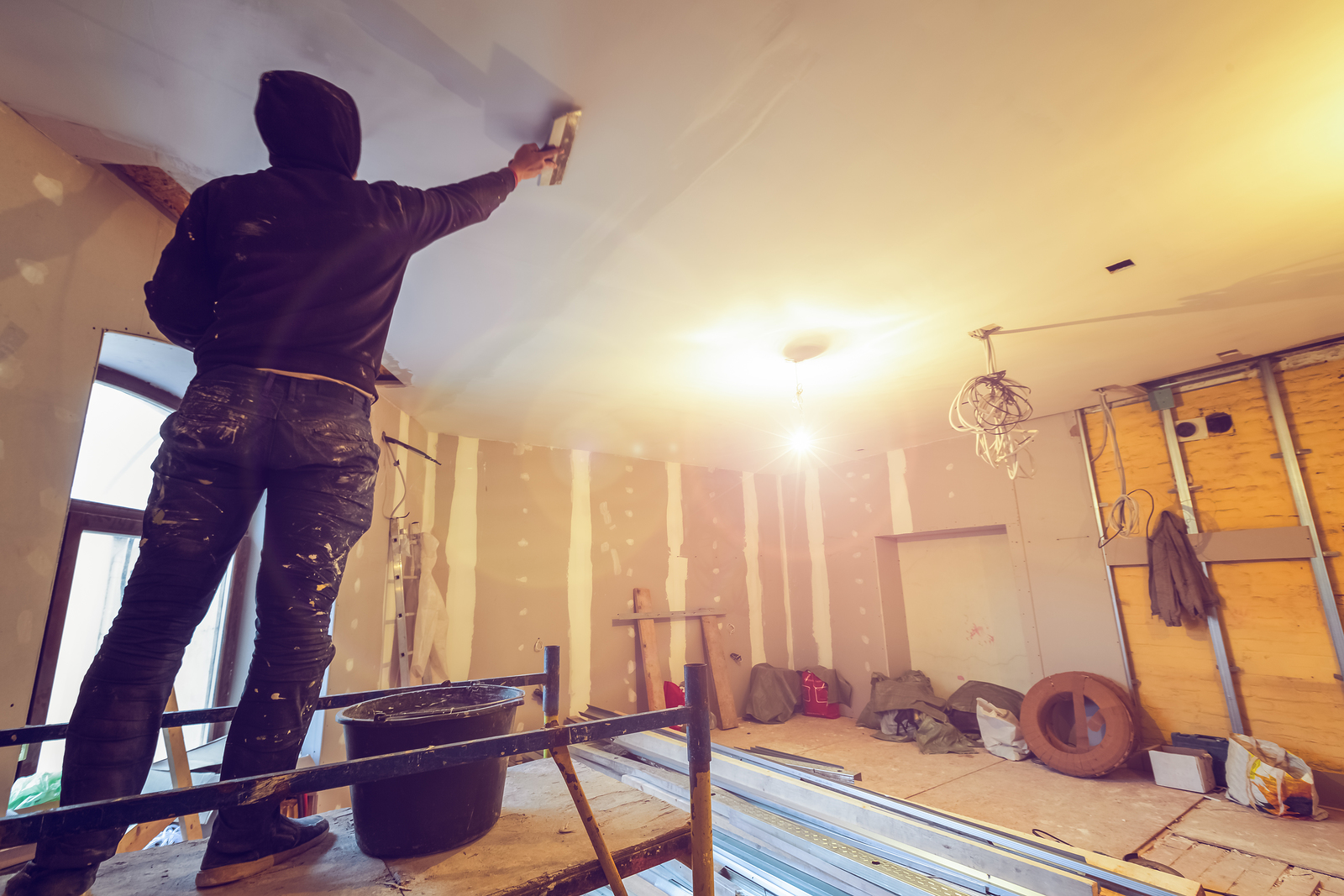
The measures to restrict the spread of the coronavirus have led to more people ta tackling DIY tasks around the home, perhaps to get those tasks you’ve been putting off completed, or maybe just to give the house a new look while quarantined.
The increase in home DIY has also led to an increase in serious eye injuries, according to the BBC, and with DIY being an activity fraught with risks, use some common sense and take a few basic precautions, and you should be able to happily complete whatever DIY jobs you’ve set yourself.
It can cost as much as £3,208 to right a DIY wrong which can make a serious dent in your savings, particularly while finances are not as sure as they could be during the crisis, so take note on these common mistakes so you can DIY like a pro.
Use a spirit level
It might seem the most simple and obvious tip, but too many people neglect the spirit level when erecting shelves. It should be a five-minute job but ends up taking so much longer if it needs rectifying. A simple £10 spirit level will get the job done right the first time.
Keep it simple and neutral
Wallpaper and paint are a cost-effective way to transform a room, but keep it simple and neutral. Don’t underestimate the amount of paint required to save trips out to buy more. Fancy wallpaper might seem nice, but the effort it creates to match up patterns creates waste and needs more rolls.
Avoid the quick fix
Quick fixes are rarely ever that quick and usually requires more work further down the line. For example, it might seem simple to fix a wooden door that sticks by taking it off the hinges and planing it down, but don’t leave it there.
While it’s off the hinges, paint the exposed edges with an oil-based primer to seal it, and avoid any water damage and swelling, leading it to stick again.
Spend money to save money
Buying better quality tools will save money in the long run. Buy better and the job will be better and last longer. For example, don’t buy the most expensive paintbrushes on the market, but don’t buy cheap, they have fewer bristles which give an untidy finish and often requires more coats of paint which brings a greater cost.
You’ll also spend your day picking bristles off of your paintwork where they have come detached from a cheap brush.
Prepare your work area
No matter how careful you are, you will splash paint. It’s a ten-minute job to lay down some sheets or apply masking tape.
Take the time to prepare your area and protect anything that doesn’t need to be painted otherwise, a cost-effective quick lick of paint can turn into a much longer task, or require new carpets, furniture and more.
Know your walls
Ideally, you want to drill into weight-bearing stud work behind your plaster to ensure any shelves or other additions are well supported to avoid any injuries later down the line. This will also save on the material costs of putting them back up when they do collapse.
At the same time, know where your pipes and wires are to avoid any serious injury or damage to you and your home. A burst water pipe is very expensive compared to the cost of a shelf.
If you need kitchen fitters in Manchester, then get in touch with Prymo Residential today!