
Given that two new cases of coronavirus have been confirmed in the UK this week (February 28th), now may well be the perfect time for businesses all over the country to review their emergency action plans to ensure that all necessary steps are being taken to help prevent the spread of COVID-19.
As of February 27th, 7,690 people have now been tested for the virus in the UK, with 7,675 confirmed negative and 15 people positive.
The government has now updated its COVID-19 infection prevention and control guidance, which could prove particularly useful for any organisations looking to review their own risk assessments and best practice guidelines for incidents of this nature.
The virus itself is mainly transmitted by respiratory droplets or either direct or indirect contact with infected secretions, although they have also been detected in urine, faeces, and blood. Airborne transmission is also possible through aerosolised respiratory secretions and faecal matter.
Investing in the appropriate personal protective equipment and maintaining good prevention and control precautions are advisable and effective at minimising the risks but note that these can never be eliminated entirely.
In the current absence of a vaccine or effective drugs, the control of coronavirus relies on quick identification, proper risk assessment, the management and isolation of potential cases, and the investigation and follow-up of close contacts in order to minimise the chances of onward transmission.
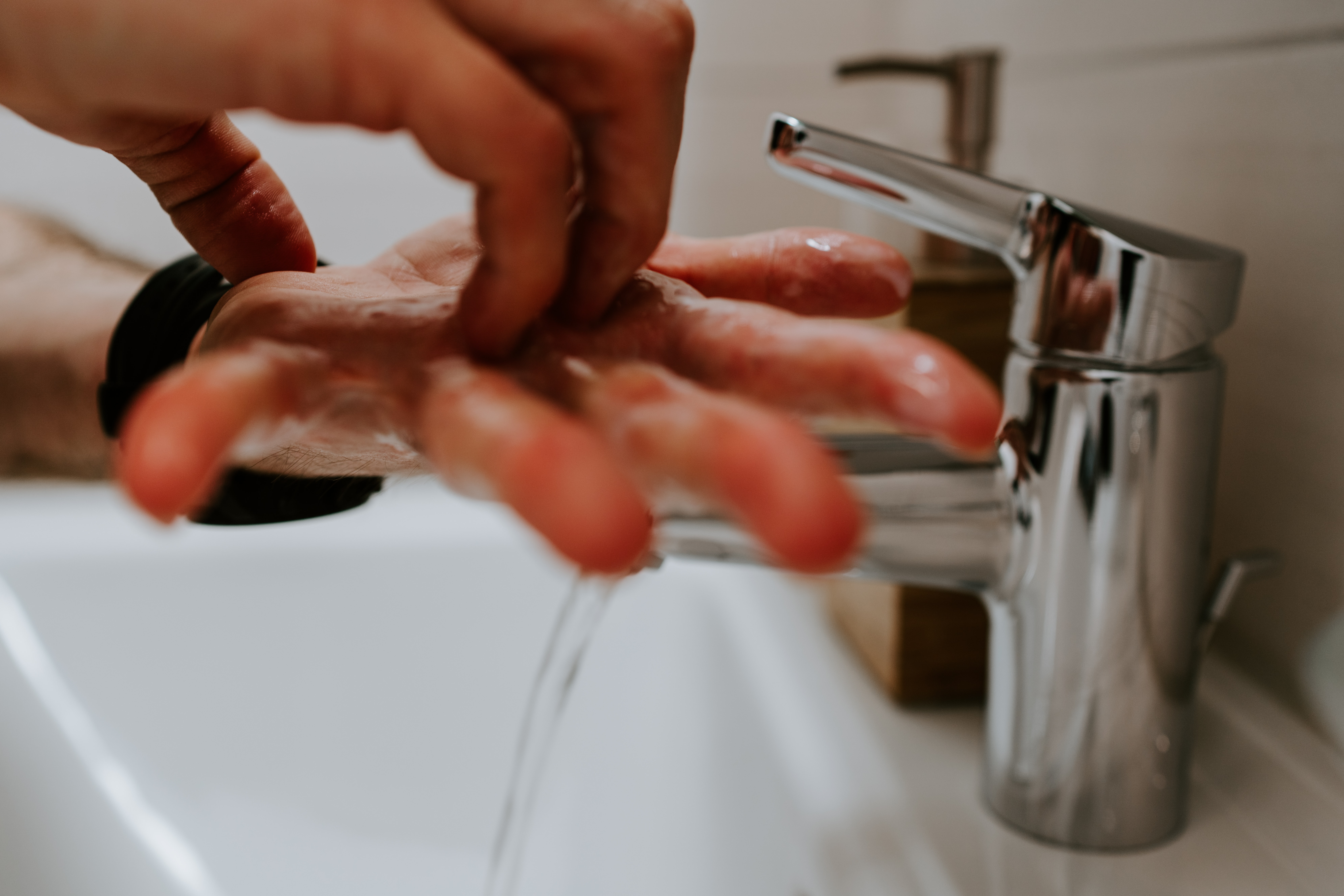
Specific infection control measures should include standard precautions such as careful attention to hand hygiene. Employees should also be encouraged to cover their nose and mouth with a disposable tissue when coughing, sneezing, wiping, or blowing their nose.
Hands should be cleaned after using tissues, coughing, or sneezing. Soap and water should be used to wash hands, or alcohol rubs instead if hands are visibly clean.
As further cases of coronavirus are confirmed in the UK, the chief medical officer will announce it as soon as possible.
Anyone returning from travel in places such as Hubei province in China, Iran, northern Italy, South Korea, Hong Kong, Japan, Macau, mainland China, Singapore, Thailand or Taiwan in the last two weeks and who is experiencing symptoms like a cough, high temperature or shortness of breath (even if mild) should call NHS 111, stay indoors and avoid contact with other people.
You are being advised not to go to your GP surgery, pharmacy, or your local hospital. You may find you have to self-isolate yourself in order to stop the spread of the virus and protect others around you.
Remain in your home, do not go to work, school, or public areas, and don’t use public transport or taxis until you’ve been informed that it is safe for you to do so.