
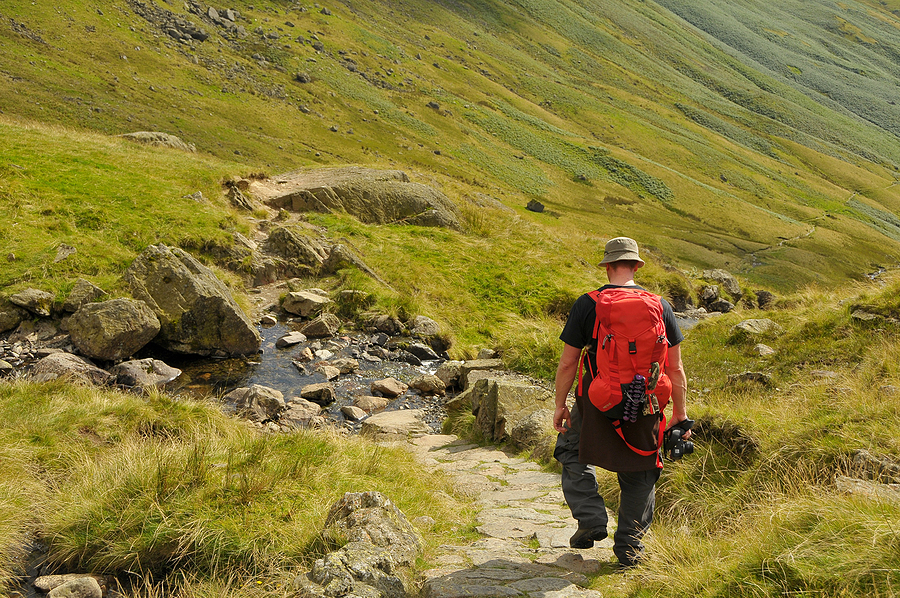
A new, revised version of the long-running countryside code has been unveiled, highlighting how people can enjoy the beauty of nature without causing any lasting damage or negative effects.
Released on the 70th anniversary of its original publication, the new version of the Countryside Code focuses on the social aspects of nature walks, clearer rules on cleaning up after dogs, and why it is important not to feed livestock and wild animals.
The tone of the code has shifted as well, away from being a strict set of rules to more of a guideline on how to enjoy the outdoors and ensure other people do too.
Many people have embraced local nature spots near to them, so it has become more critical to ensure that as more people enjoy nature, they also are aware of ways to protect it.
Landowners, ecological contractors and visitors all have parts to play in ensuring the UK’s areas of natural beauty will survive and thrive for years to come.
What Has Changed?
Outside of the major shift in tone, many of the changes involve clarifying the rules and making them as easy to follow as possible, as well as ensuring everyone is made to feel as welcome as possible and share the space.
There is a reminder that wild animals, horses and livestock should not be fed. Not only is it a danger to visitors but could be lethal to the animals. Most horses, for example, have a strict diet based on their particular health needs, which can be undermined by a well-intentioned snack.
As well as this, the new code emphasises how important it is to stay on the marked footpaths as much as possible even if they are muddy, to protect crops and animal habitats.
One new set of guidelines that have been added involve asking permission from the landowner to fish, swim or camp on their land.
Along with this, the rules have been clarified on rules about leaving no trace, emphasising that dog walkers must clean up after their dog and take any waste home if there are no public bins available.
Finally, the rules make clear that the Countryside Code applies to all kinds of natural places in the UK, such as the coast, parks, and waterways, as well as the countryside itself.
The Origins Of The Code
The Countryside Code, initially the Country Code, was first devised in the 1930s thanks to the work of various disparate organisations, either to protect nature or to avoid the disruption of rural life.
They started to be combined into one document by 1951, and a long-running information campaign was undertaken to advertise the country code.
The most famous campaign was part of the animated public information film series Joe and Petunia, in which the pair are particularly discourteous to the environment, breaking walls, leaving litter, opening and leaving gates open and being indignant when a local farmer is angry about it.
A definitive version of these rules was drafted in 1981 and these rules were heavily revised in 2004 as The Countryside Code. This simplified many of the rules that had developed over the years.